.svg)


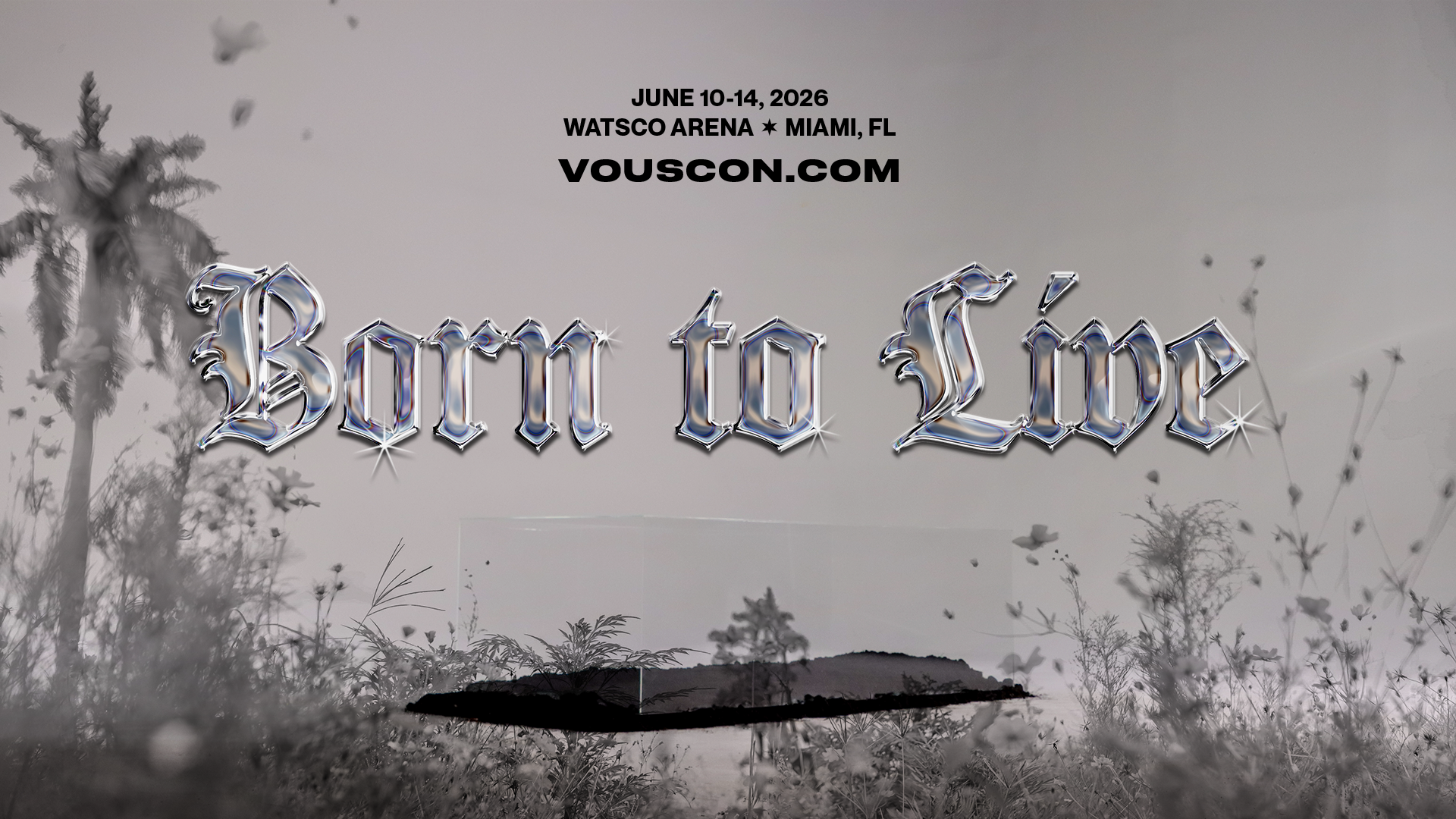
We don't have it all figured out. But what we do have is a gathering that God continues to show up in, and a team that's learning, adapting, and growing every single year. VOUSCon brings together over 7,000 people at the Watsco Center in Miami, FL for five days of encountering Jesus, equipping the church, and empowering the next generation of leaders. With 1,000+ servant leaders making it happen, the logistics alone are a feat. But before anyone walks through those doors, there's an entire communications ecosystem working behind the scenes to get them there.
We're sharing this not as a blueprint but as a window into our process, in hopes that something here is useful for your church and your context.
It Starts Earlier Than You'd Think
Before VOUSCon even ends, the next one is already in motion. Guests leave knowing the theme for the following year. That's not just a hype moment, it's a communications strategy. It gives people time to plan, save, invite others, and commit.
Our creative team formally kicks off planning 14 months before the gathering. That lead time matters. It's what allows us to develop cohesive language, visual identity, and story-driven graphics that feel intentional rather than rushed. When you're trying to communicate something as significant as an encounter with Jesus, you don't want to be scrambling two weeks out.


A practical takeaway: Whatever your next big gathering is, try mapping backwards from the event date. Identify your key communication moments: announcement, ticket release, early bird window, final push, and give your creative team real runway to work with.
Building a Communications Rhythm
Starting in January of the event year, we begin a steady drumbeat of promotional content. Between January and June (when VOUSCon takes place), our team is publishing a consistent mix of social media posts, emails, and text messages, all working together to keep VOUSCon top of mind because we believe there’s something special in the room for each and every person.
We also create occasional promotional sales throughout that window: discounted ticket periods that give people a reason to act and lower the financial barrier to attending.
To keep everything aligned, our creative team works from a centralized content spreadsheet, organized by month, platform, and post details. It's not glamorous, but it's one of the most practical tools we have. It keeps teams on the same page, prevents things from slipping through the cracks, and makes sure we're telling a consistent story across every channel.
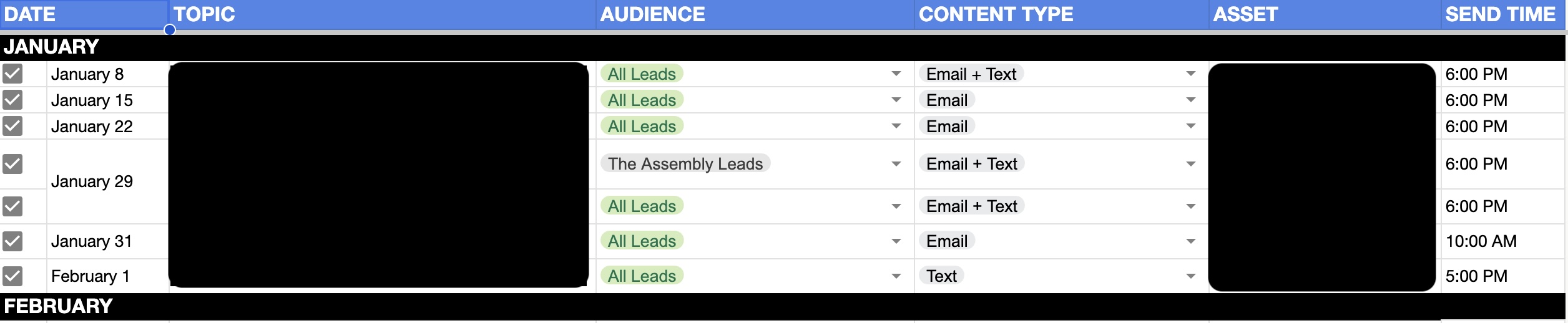
What this looks like in practice:
- Social media posts (organic + sponsored)
- Our primary social channel is Instagram while also utilizing TikTok, YouTube and X.
- Email campaigns tied to key dates and ticket moments
- Mailchimp is our current email marketing platform.
- Text/SMS communication for opt-in subscribers
- Powered By Text is our primary platform for text messaging.
The goal isn't volume for volume's sake, it's consistency. One message, many channels, communicated with clarity.


Communicating for the Attendee, Not Just the Event
One thing we've learned is that great event communication goes beyond "here's what's happening." People need to be resourced for the full experience, especially when they're traveling from across the country or around the world.
Through our VOUSCon website and opt-in messaging, we share practical information: where to stay, how to get around Miami, what to expect each day, and how to make the most of their time here. The goal is to proactively answer questions before people have to ask them. When someone feels prepared and informed, the barrier to showing up gets a lot lower.
We also design our add-on experiences, workshops, live podcast recordings, and lunch-and-learns with the full spectrum of guests in mind. Someone might be coming who's never encountered Jesus. Someone else is navigating a new season of faith. Another person is stepping into leadership for the first time. Our communications try to speak to all of them, creating entry points that feel personal rather than generic.
A practical takeaway: Think about your guest's experience from the moment they register to the moment they leave. What information do they need, and when do they need it? Build that into your communications plan.
Staying Flexible When Things Shift
Fast-moving environments require flexible teams. Things change. Timelines shift. A direction that made sense three months ago might need to pivot. We've learned to hold plans with open hands: staying organized and prepared, while leaving room for the Holy Spirit and for better ideas to emerge.
Collaboration is a big part of this. When we lean into each other's gifts, design, writing, strategy, pastoral wisdom, the work becomes something greater than any one person could produce alone. Art direction evolves. Messaging sharpens. And the team grows together in the process.
We try to build a culture where it's safe to say "I think we need to rethink this,” and where changing course is received as wisdom, not failure.
The Kingdom First Mentality
All of the spreadsheets, the ad campaigns, the content calendars exist for one reason: people meeting Jesus.
That's easy to say and can become easy to forget when you're deep in production mode. The pressure of deadlines, the weight of logistics, the pace of a multi-day gathering can pull focus away from why you started. We fight to come back to the why, constantly.
This year, VOUS is doing a corporate fast 10 days before VOUSCon gathering as a church and guests to pray and intercede for every person who will walk through those doors. It's one of the most important things we do. It reminds us that no amount of great communication can do what the Spirit of God does in a room.
We want our servant leaders and our creative teams to carry that same posture. Be honest with your spiritual leaders. Stay open. And remember: the deliverables matter, but they're a means to an end. We're creating content so that people can encounter Jesus. That's keeping the main thing the main thing.
A Few Things We're Still Learning
- How to better personalize communication for different audience segments
- Measuring effectiveness across platforms
- Holding the tension between strategy and spontaneity
We don't have perfect answers to any of these. But we're asking the questions, and we think that matters.
If something here resonates or sparks an idea for your church, we'd love to hear how you're applying it. We're better together.